
“They’re Just Like Kids”: Understanding Fear, Autonomy, and Cooperative Care in Dog Grooming
“Sometimes you just have to be the adult and make them do it.”
I’ve heard some version of this throughout my career as a professional groomer, usually followed by:
“They’re just like kids.”
And honestly? In a lot of ways, they are.
Our pets have their own personalities, preferences, routines, relationships, and their own very strong opinions about what they would and would not like to participate in.
Just like children, sometimes that objection really does amount to, “I know I can do this. I would simply rather *not*.”
Anyone who has ever watched a perfectly capable child suddenly decide that putting on their shoes is an unreasonable request understands the concept. Our pets occasionally ride the same drama llama.
They’re family. For many of us, they’re equal members of it.
But there are also important differences.
A dog cannot understand why something uncomfortable is medically or hygienically necessary. They can’t ask what’s going to happen next. They can’t explain something frightening that happened six months ago.
They can’t understand that the thing hurting them right now wasn’t caused by the person touching them.
But they absolutely can tell us how they feel about what is happening.
They tell us with their bodies.
The communication may start quietly. When those quieter signals are repeatedly overridden, the communication can get louder.
Part of professional grooming is knowing the difference between:
“I’d really rather not.”
and
“I can’t.”
“I Don’t Like This” Is Not the Same as “I Can’t Handle This”
Cooperative care does not mean expecting a pet to enthusiastically participate in every second of grooming.
Just like children, dogs can object to something simply because they would prefer not to do it.
They may withdraw a paw during a nail trim, reposition themselves, or discover that a particular behavior has successfully delayed something they don’t especially enjoy.
Sometimes they need encouragement, patience, a different position, a short break, a change in technique, or another reasonable accommodation to work through something they are perfectly capable of handling.
That is very different from genuine fear.
At Roman’s Empire, we don’t expect pets to love every part of grooming.
What we do expect from ourselves is the ability to recognize when reluctance has crossed into distress.
And we do not force a pet beyond what they’re able to cope with. Period.
Learn more about how we approach grooming.
Fear Rarely Starts at 100
When a dog eventually growls, snaps, thrashes, screams, desperately tries to escape, or becomes impossible to handle, it can look like they suddenly went from completely fine to completely overwhelmed.
Most of the time, they didn’t.
Dogs communicate discomfort in many ways, and some of those signals can be incredibly subtle.
They may turn their head away. Shift their weight. Withdraw a paw. Repeatedly reposition themselves. Try to create distance. Become unusually still. Avoid looking at what’s happening. Their entire body may become tense before they ever make a sound.
Every dog communicates differently, and no single behavior automatically means a dog is afraid.
That’s why understanding the whole animal in front of you matters.
But when smaller attempts to communicate discomfort are continually overridden, something has to happen next.
Some dogs communicate louder.
The paw withdrawal becomes struggling. Avoidance becomes escape attempts. A growl may eventually become a snap or bite because the dog has learned that quieter communication doesn’t make the scary thing stop.
Other dogs go in the opposite direction.
They stop trying.
That distinction matters because a quiet dog is not automatically a comfortable dog. Stillness and compliance can sometimes be mistaken for acceptance when an animal has actually become overwhelmed (flooded) and shut down.
This is where autonomy becomes important.
Giving a pet autonomy during grooming does not mean handing them the schedule and asking whether 2:30 works for their nail trim.
It doesn’t mean the dog runs the appointment.
It means their communication matters.
We can maintain boundaries, accomplish necessary grooming, encourage a pet through something they don’t particularly enjoy, and still listen when their behavior tells us our approach needs to change.
Because if the only communication we respect is the loudest communication, we shouldn’t be surprised when some animals eventually learn to communicate loudly.
Sometimes, Nobody Did Anything Wrong
Fear doesn’t automatically mean someone mistreated a dog.
Sometimes bad experiences simply happen.
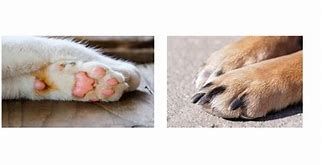
Imagine a dog with a foxtail embedded between their toes.
Their paw already hurts.
During grooming, their groomer handles the foot, separates the toes, manipulates the paw and discovers the foxtail. The groomer didn’t cause the pain. In fact, grooming may be the reason the problem was discovered in the first place.
But the dog doesn’t necessarily understand that.
Their experience may simply be:
My foot was held. It hurt.
The next time someone reaches for that paw, their body remembers.
This is another place where the comparison to children actually works remarkably well.
A child can have years of completely ordinary doctor or dental appointments. Then one appointment is painful, frightening, or overwhelming.
Suddenly, they’re nervous about the next one.
Nothing has to go wrong at that next appointment. Their expectation has already changed.
It may take several safe, boring, completely uneventful experiences before those new experiences begin to outweigh the frightening one.
Dogs form associations through their experiences, too.
The enormous difference is that they can’t come home and explain what happened, nor do they process things the same way as human children.
They can communicate that something about the experience now frightens them, but they can’t tell us why.
They can’t explain that something hurt.
They don't understand why the groomer keeps messing with their aching paw they've repeatedly communicated to not touch.
They can’t tell us they were already sore before someone moved their leg.
Sometimes, all we see is a dog who “suddenly hates having their feet touched.”
Of course, handling itself can contribute to fear, too.
Pet grooming remains an unregulated industry, and professional education matters.
Understanding animal behavior, appropriate restraint, anatomy, body mechanics, and a pet’s natural range of motion directly affects how safely and comfortably we can work with them.
But whether fear began because of inappropriate handling, pain, an unexpected event, insufficient early exposure, or something we may never identify, the question in front of us remains the same:
What do we teach this animal next?
When Your Nervous System Pulls the Emergency Brake
I understand this kind of fear more personally than I’d like to.
Recently, I was scheduled to have my wisdom teeth removed.
I had never had an IV before. I had never been sedated before.
And I was terrified.
The rational part of this situation could not have been clearer. I was an adult. I understood what an IV was. I knew why sedation was being recommended. I understood what the procedure involved. I knew I was surrounded by trained professionals, and I knew intellectually that I was safe.
My nervous system did not care.
It pulled the emergency brake.
I won’t get into the theatrics, but when you reach a true state of panic, it’s unmistakable.
Ultimately, we changed the plan. I had the extraction performed with local anesthetic instead, something I could tolerate, and my nervous system immediately began settling.
Nothing about that experience meant I needed someone to “be the adult” and overpower my fear.
I needed an accommodation.
Now consider the advantages I had that our pets don’t.
I understood why everything was happening. I could communicate exactly what frightened me. I could ask questions. I could understand alternatives. I could participate in changing the plan.
A dog experiencing panic while someone handles their face, paw, leg, or body cannot do any of those things.
For some pets, that handling may produce an emotional response every bit as overwhelming as my response to IV sedation.
That is not the time to persevere.
Once someone reaches genuine panic, human or animal, “just push through it” isn’t the answer.
Fear Doesn’t Require a “Bad Groom”
There’s another misconception worth addressing: a pet doesn’t need to experience one obviously terrible grooming appointment to become afraid of grooming.
Sometimes fear develops because grooming was never made ordinary in the first place.
A puppy experiencing clippers, dryers, nail trimming, standing on a grooming table, having their face handled, having their legs positioned, and being asked to remain still for an extended period for the first time is being introduced to a tremendous amount of new information.
Waiting until a puppy desperately needs a haircut before introducing them to grooming can turn their first appointment into a marathon of unfamiliar experiences.
Early, appropriate exposure matters.
Learn more about introducing puppies to grooming.
what happens afterward also matters.
A dog who once groomed beautifully can struggle after falling out of a routine.
Long gaps don’t just affect the coat. The grooming experience itself becomes less familiar.
And depending on coat type, that first appointment back may also require more brushing, more coat preparation, more drying, more clipping, or more time on the table than the routine appointments they previously knew.
Now we’re asking a dog to tolerate more while the experience itself has become less familiar.
That’s not an ideal combination.
Why Roman’s Is Built Around Routine Maintenance
This is one of the biggest reasons Roman’s Empire operates differently from a traditional “call us when your dog needs a haircut” grooming model.
Routine maintenance isn’t just about keeping coats clean, healthy, and manageable.
It matters behaviorally, too.
Discover how routine maintenance shapes your pet's care experience.
Routine creates familiarity.
A familiar groomer.
Familiar handling.
Familiar equipment.
Familiar sounds.
Familiar expectations.
Instead of repeatedly allowing grooming to become a major event, we want it to become something remarkably boring.
Something your dog simply does.
That doesn’t mean every dog will love grooming. It doesn’t mean fear disappears because a pet comes in regularly, and it certainly doesn’t mean every appointment will be perfect.
It means we’re creating the conditions for grooming to remain familiar and predictable.
For young dogs, that routine helps establish what grooming means.
For experienced dogs, it helps maintain the skills and tolerance they’ve already developed.
And for pets working through fear, repeated experiences within their individual capabilities can give us opportunities to build a different association over time.
Routine, ordinary appointments are key to calm.
What Cooperative Care Actually Means
Cooperative care sometimes gets misunderstood as permissiveness.
It isn’t.
We don’t stop a nail trim because a dog pulls their paw away once.
We don’t expect pets to enjoy everything we ask of them.
And we don’t assume every objection means fear.
Professional handling requires more nuance than either extreme.
Sometimes the right answer is encouragement.
Sometimes it’s slowing down.
Sometimes it’s changing positions, equipment, techniques, or expectations.
Sometimes it’s taking a break and trying again.
And sometimes the right professional decision is recognizing that we have reached this pet’s limit for today.
That isn’t failure.
The objective isn’t simply to accomplish the maximum amount of grooming physically possible during one appointment.
Because there will be another appointment.
And another.
And another.
Every grooming appointment teaches your pet something about the next one.
When we respect communication before it has to become desperation, maintain grooming as a familiar part of life, and work within what an individual animal can reasonably tolerate, we’re thinking beyond the haircut sitting in front of us today.
We’re thinking about the dog we’ll see next month.
And next year.
And years from now.
We aren’t just trying to finish today’s groom.
We’re protecting their relationship with grooming tomorrow, too.
Care Beyond the Coat.
Looking for a Different Kind of Grooming Experience?
Roman's Empire mobile Grooming provides mobile dog and cat grooming in Folsom, California and surrounding communities for families looking for thoughtful, consistent, and individualized care.
Our approach is built around routine maintenance, cooperative care, and getting to know the dog or cat in front of us, including what they're communicating during the grooming process.
if that sounds like the kind of relationship you're looking for with your pet's groomer, you can learn more about becoming a client through our New CLIENT Onboarding process.